10 Tips to Protect Outdoor Wooden Benches from Rain

Time:2026-05-19 Author:Aria
0%

Outdoor wooden benches offer a cozy space for relaxation, but they face constant exposure to rain. This can lead to wood rot and damage over time. It raises the question: How to protect outdoor wooden benches from rain? Maintaining the beauty and integrity of your benches is essential for their longevity.

In this guide, we explore effective tips to shield your benches from harsh weather. Proper care can extend their life significantly. Applying waterproof sealants is one method. It creates a barrier against moisture. Additionally, using covers when not in use can prevent water from pooling on the surface. Each approach involves simple steps that can yield impressive results.

Remember, even with these protections, regular maintenance is critical. Inspecting your benches for signs of wear can help sustain their durability. Every little effort adds to their resilience against rain. Implement these strategies to enjoy your outdoor seating for years to come.
10 Tips to Protect Outdoor Wooden Benches from Rain

Assessing the Vulnerability of Wooden Benches to Rain Damage

Wooden benches are vulnerable to rain damage. According to the American Institute of Timber Construction, over 80% of wood failure is due to moisture-related issues. Water can lead to rot, mold, and structural weakness. Regular exposure to rain increases the risk of degradation, especially in untreated wood. This vulnerability underscores the importance of assessing the type of wood used as well as the bench’s environmental exposure.

Maintenance plays a critical role in prolonging the life of outdoor wooden furniture. The Environmental Protection Agency details that moisture can penetrate wood fibers, causing expansion and contraction. This results in cracking, splitting, and eventual collapse. It's essential to check for existing damage regularly and apply protective treatments. Many homeowners overlook the gaps where water collects, allowing mold growth. Ignoring these areas can lead to significant and costly repairs down the line. Paying attention to the condition of your benches can save money and effort in the long run.

10 Tips to Protect Outdoor Wooden Benches from Rain - Assessing the Vulnerability of Wooden Benches to Rain Damage

Tip Description Expected Duration of Protection (Months)
1. Use a Waterproof Sealant Apply a high-quality waterproof sealant to create a protective barrier against moisture. 12
2. Regular Maintenance Perform regular checks and maintenance to address any wear and tear. 6
3. Use Outdoor Covers Utilize breathable outdoor covers to shield benches when not in use. Varies
4. Elevated Base Ensure benches are elevated off the ground to prevent water pooling underneath. N/A
5. Choose the Right Wood Select naturally durable woods like cedar or redwood that are resistant to moisture. N/A
6. Sanding and Refinishing Sand and refinish the surface regularly to maintain a smooth, protective layer. 12
7. Positioning Position benches away from direct rain exposure, such as under eaves or trees. N/A
8. Drainage Solutions Incorporate drainage solutions to redirect rainwater away from the bench area. N/A
9. Inspection for Damage Regularly inspect for signs of damage and treat issues promptly. Ongoing
10. Avoid Metal Fasteners Opt for plastic or stainless steel fasteners to prevent rust and damage. N/A

Selecting the Right Wood Type for Outdoor Benches

When choosing wood for outdoor benches, consider durability and moisture resistance. According to the Forest Products Laboratory, certain types of wood can withstand rain better. Teak, for example, has high natural oil content, making it more resistant to water damage. This property allows it to endure outdoor conditions for years. While teak may be expensive, it often pays off in longevity.

Cedar is another excellent option. Its natural resistance to rot and insects makes it a popular choice for outdoor furniture. A study by the U.S. Forest Service indicates that cedar can last over 15 years with proper care. However, even with the right wood, neglect leads to deterioration. An unprotected cedar bench may still warp or fade when exposed to harsh elements.

Pressure-treated pine is commonly chosen for budget-friendly outdoor projects. While it requires regular sealing and maintenance, it offers decent protection against moisture. However, be cautious; improper sealing can result in mold and mildew growth. Each wood type has its benefits and drawbacks, and constant vigilance is needed to keep your bench looking good. Consider a combination of wood selection, treatment, and maintenance for the best results.

Applying Weatherproof Sealants and Finishes to Protect Wood

Weatherproofing wooden benches is essential for outdoor longevity. Applying sealants and finishes protects against rain damage. Different products offer varying levels of waterproofing. Selecting the right one can be confusing. It is crucial to read labels and understand the key ingredients.

Start by cleaning the wood surface before applying any product. This step removes dirt and mildew, ensuring better adhesion. After cleaning, allow the surface to dry completely. Applying sealants to damp wood can lead to poor results. Follow the instructions closely, and test a small area first. This offers a chance to see how the wood reacts.

Consider reapplying sealants regularly. Weather conditions and sun exposure can diminish their effectiveness over time. Some may feel reluctant to invest time in maintenance. Yet, skimping on care can lead to bigger problems later. A little effort goes a long way in extending the life of your benches. Enjoying your outdoor space should be stress-free, not filled with worries about wear and tear.

Regular Maintenance Practices for Outdoor Wooden Benches

Outdoor wooden benches face various challenges from the elements, particularly rain. Regular maintenance is essential to ensure their longevity. Experts suggest that wood can absorb moisture, leading to rot and decay. According to a study by the American Wood Protection Association, untreated wood can lose up to 50% of its strength after exposure to moisture over time.

Cleaning is a fundamental maintenance practice. Dust and debris can trap moisture against the wood's surface. Regularly sweeping off leaves and using a soft brush helps prevent mildew growth. A professional survey indicates that regular cleaning can extend the life of outdoor furniture by as much as 25%. Applying sealant is another crucial step. Sealants create a barrier against moisture and UV rays, helping to maintain the wood’s integrity. While this process seems simple, many overlook it.

Inspecting for signs of wear is critical. Cracks and splits can allow water to seep in, causing extensive damage. According to industry reports, 60% of consumers fail to check their outdoor furniture regularly. This negligence can lead to costly repairs or replacements. Investing time in maintenance is key to preserving the aesthetic and functional qualities of wooden benches.

Utilizing Covers and Shelters to Shield Benches from Rain

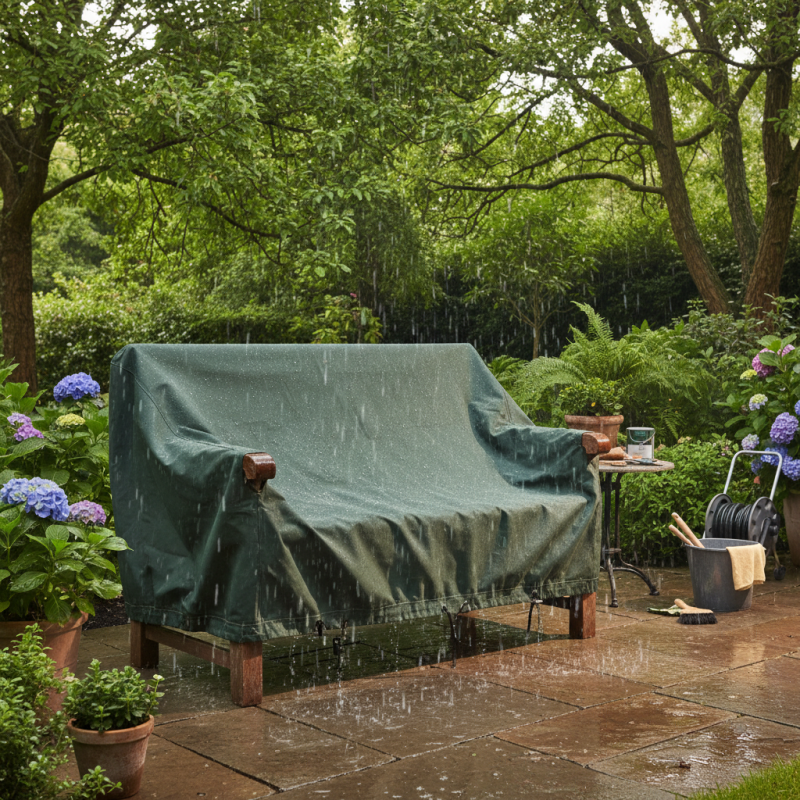
Rain can be detrimental to outdoor wooden benches. They are often exposed to harsh weather conditions. Covering them effectively is essential for their longevity. Investing in durable covers tailored for outdoor use can ensure a snug fit. Many covers are waterproof, making them ideal for rainy days. They also come in various sizes to accommodate different styles.

Consider building a shelter or gazebo over your benches for added protection. This structure can shield them from rain and excessive sunlight. A simple awning can also work wonders. It offers immediate coverage without complex installation. Remember to check the upkeep of any shelter. Regular maintenance can prevent damage from mold or water pooling.

Using tarps can be a temporary solution if covers and shelters are not available. This method may not look aesthetic, but it can be effective. Properly securing the tarp is crucial; loose coverings may flap in the wind and cause scratches or tears. While these solutions can create barriers against rain, they are not foolproof. Regular inspections are necessary to check for any water damage or wear. Taking proactive steps can significantly extend the life of your wooden benches.

FAQS

: What should I consider when choosing wood for outdoor benches?

: Look for durability and moisture resistance. Certain woods handle rain better than others.

Why is teak often recommended for outdoor furniture?

Teak has high natural oil content, making it resistant to water damage and prolonging its longevity.

How long can cedar benches last with proper care?

Cedar can last over 15 years but requires regular maintenance.

What can happen if cedar benches are neglected?

They may warp or fade when exposed to harsh weather conditions without proper protection.

Why is pressure-treated pine a popular choice?

It’s budget-friendly and offers decent moisture protection but needs regular sealing.

What are some ways to protect outdoor benches from rain?

Use waterproof covers or build shelters like gazebos for added protection.

Are tarps a good solution for bench protection?

Yes, but they may not be aesthetic. Secure them properly to prevent damage.

How often should I inspect my outdoor benches?

Regular inspections are necessary to check for water damage or wear over time.

Can I mix different wood types for my benches?

Yes, combining wood selections and treatments can enhance durability and aesthetics.

What maintenance do outdoor benches require?

Regular sealing, cover usage, and shelter maintenance are crucial to prevent deterioration.

Conclusion

To effectively address the question of "How to protect outdoor wooden benches from rain?", it's essential to first assess their vulnerability to moisture damage. Choosing the right type of wood that inherently resists water can significantly contribute to longevity. Applying appropriate weatherproof sealants and finishes creates a barrier against rain, ensuring the wood remains intact.

Regular maintenance practices, such as cleaning and reapplying protective coatings, are crucial in prolonging the life of outdoor benches. Additionally, utilizing covers and shelters offers an extra layer of protection, preventing direct exposure to rain. By following these strategies, you can safeguard your wooden benches and keep them looking beautiful for years to come.

Aria

Aria

Aria is a dedicated marketing professional with a deep passion for innovative strategies and a keen understanding of our company's product offerings. With a wealth of experience in the industry, Aria excels at crafting engaging content that highlights the unique features and benefits of our......