When considering "Where to place a display shelf for maximum visual impact?", expert interior designer Laura Anderson emphasizes the importance of strategic placement. She states, "A well-positioned shelf transforms a room’s atmosphere." The right display shelf can highlight key pieces and enhance the overall aesthetic.
Visual impact is not solely about location; it involves understanding the room's flow. A shelf placed near natural light draws attention but may overshadow other elements. Balancing visibility and harmony is crucial. For instance, positioning a shelf at eye level can draw immediate focus without overwhelming the space.
Moreover, reflect on personal style and the room’s function. A display shelf shouldn’t just fit; it should resonate with the décor and usage. Sometimes, a less conventional location offers unexpected advantages. Experimentation may yield surprising results in creating a focal point. Ultimately, thoughtful consideration of placement can elevate your display shelf from mere storage to a stunning visual feature.
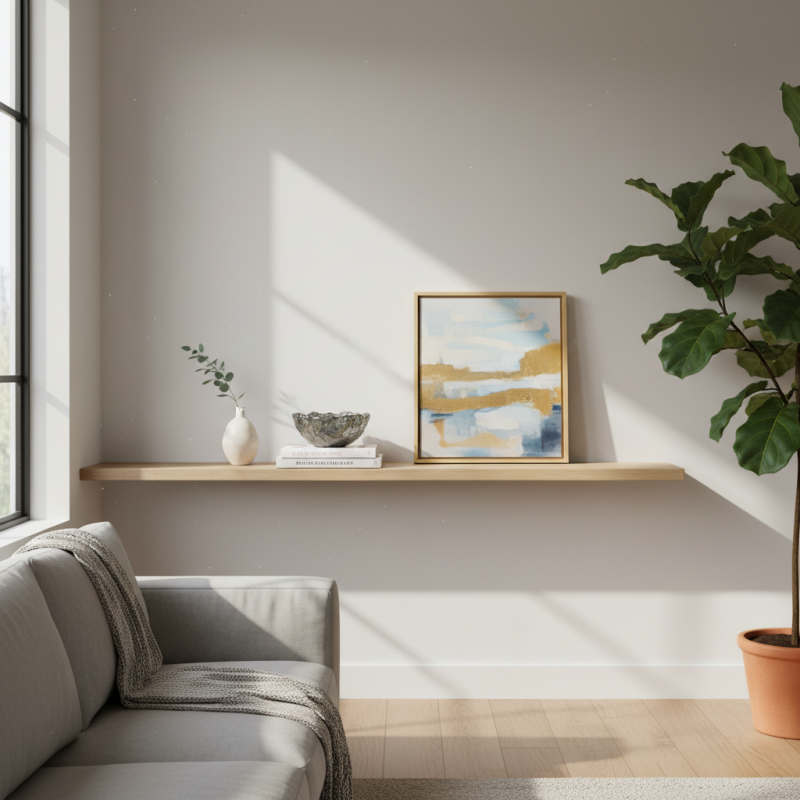
When positioning a display shelf, consider the height carefully. Ideally, the shelf should be at eye level for most viewers. This ensures that the items displayed are easily visible and inviting. If the shelf is too high or too low, it can be overlooked. Aim for a height that captivates attention without straining the neck.
Next, think about lighting. Natural light can enhance the visual impact of the items on display. Positioning the shelf near a window can create a warm, inviting feel. However, direct sunlight might cause fading over time. Balance is key. Consider using spotlights to highlight specific items that you want to draw attention to.
Also, think about the surrounding space. Clutter can distract from the display. Allow for breathing room around the shelf. If the shelf is placed in a busy area, choose items wisely. They should complement the environment, not compete with it. Reflect on what you want to convey. Is it elegance, fun, or modernity? Each choice impacts the visual narrative you create.
Choosing the right wall or corner for a display shelf can dramatically enhance your space. According to a study by the American Society of Interior Designers, correctly placed shelves can improve room aesthetics by up to 30%. Natural light also plays a crucial role. Positioning near windows allows items to be highlighted effectively while adding warmth to the room.
Corners can often be underutilized. Placing a shelf in a corner can make a statement. It draws the eye and adds dimension to the space. Research shows that utilizing corners can increase perceived room size by about 15%. However, beware of overcrowding. A shelf stuffed with items can feel chaotic rather than inviting.
Consider the wall texture too. A smooth wall may not provide enough contrast for your display items. Selecting a visually interesting wall can enhance the shelf's impact. Paint colors can influence mood and energy in a room. For example, using soft hues can create a calming atmosphere, yet dark tones may add drama. Finding a balance is crucial. Not every placement will work perfectly, so be prepared to experiment.
| Location Type | Recommended Positioning | Visual Impact Score (1-10) | Design Considerations |
|---|---|---|---|
| Living Room Wall | Center of the main wall | 9 | Ensure harmony with furniture |
| Corner of a Room | Near natural light source | 8 | Use angled shelves for depth |
| Hallway | Opposite to a light source | 7 | Keep it narrow to avoid clutter |
| Above Furniture | Directly above a console or sofa | 8 | Ensure it’s not too high |
| Kitchen Wall | Above countertops | 6 | Practical for everyday items |
When positioning a display shelf, height is crucial for visibility. A shelf too high may not grab attention. Conversely, a shelf too low can go unnoticed. The average eye level for adults is around 57 to 63 inches. Therefore, placing the most important items at this height can enhance their appeal.
Consider the environment. In a cozy living room, a low shelf adds warmth. However, in a gallery, a higher shelf might draw the eye upwards, creating an illusion of space. Adjust the height based on the room’s purpose and the audience’s perspective.
Tips: Measure the height of your furniture. This can help determine the optimal shelf height. Use a level to ensure even spacing between items. Clutter can kill visual impact, so keep displays clean. Always be ready to tweak arrangements until it feels right, as initial setups may not be perfect.
Lighting plays a crucial role in showcasing a display shelf. Proper illumination can enhance colors and textures, making items more appealing. Natural light creates a warm atmosphere, while artificial lights offer more control. Consider using soft white LEDs for a cozy feel or bright lights for clarity.
Placement is also vital. Position the shelf near windows to harness daylight. Ensure that light sources don’t create harsh shadows. Experiment with different angles to find the most flattering view. Remember to think about the time of day. Shadows shift, affecting visual impact.
Too much light can wash out details, while too little makes items seem uninviting. Trial and error can be part of the process. Adjusting light levels or shelf height might be necessary. Reflect on how each item interacts with its surroundings. The right lighting can transform a simple display into a captivating centerpiece.
Creating balance with your display shelf is essential. When positioned correctly, it enhances the overall aesthetic of your space. Consider the height of your surrounding furniture. A low sofa paired with a tall shelf can create a stunning visual contrast. However, too much variation can be overwhelming. Aim for a relatable height. This helps draw the eye across the room.
Incorporating decor around the shelf is equally important. Use complementary colors to unify the elements in the room. A dark shelf against light walls can anchor the space beautifully. Don't forget about texture; mixing wood, metal, and glass can add depth. Avoid overcrowding the shelf. Too many items can lead to a chaotic look, diluting its impact. Instead, be selective. A few statement pieces can shine better than a cluttered display.
Reflect on your personal style as well. Your choices should resonate with you and your lifestyle. Take time to trial different placements. It’s a process that might require adjustments. Embrace the occasional mismatch. Learning from these moments can be valuable. Let your display shelf evolve with fresh ideas and inspirations. Balancing visual impact with functionality can lead to a captivating and harmonious living space.
: Choosing the right placement can enhance room aesthetics by up to 30%. Corners can increase perceived room size by 15%.
Positioning a shelf near windows highlights items and warms the space. It adds visual interest and energy.
A smooth wall may not contrast well with display items. A visually interesting wall enhances the shelf's impact.
Soft hues create calmness, while dark tones add drama. Balance is crucial for achieving the desired atmosphere.
Placing shelves at 57 to 63 inches aligns with the average eye level. This height enhances attention to important items.
In cozy spaces, lower shelves provide warmth. In galleries, higher shelves draw attention upward, creating an illusion of space.
Measure furniture height to guide shelf placement. Use a level for even spacing and keep displays clean to enhance visual impact.
Stuffing a shelf can feel chaotic. Focus on a few curated items instead of overwhelming the viewer with too much clutter.
Yes, initial setups may not feel perfect. Be open to tweaking arrangements until they look and feel right.
A shelf that is too high may go unnoticed, while a low shelf can lack impact. Finding the right height is essential.
When considering "Where to place a display shelf for maximum visual impact?", several factors come into play. First, it’s important to evaluate the walls and corners that can best showcase the shelf, ensuring it doesn’t get lost against competing décor. Height is another crucial element; placing the shelf at eye level enhances visibility and draws attention. Additionally, adequate lighting can dramatically affect the overall presentation, making the displayed items stand out.
Creating a harmonious balance with surrounding furniture and decor is essential for a cohesive look. By strategically positioning the display shelf in relation to other elements in the room, you can achieve an aesthetically pleasing arrangement that enhances the overall atmosphere. Taking these considerations into account can ensure that your display shelf becomes a striking focal point in your space.

TayLord Furniture