Can wooden furniture be used in high-humidity areas? Yes, but the answer depends on wood species, construction, finishing, and daily maintenance. In coastal homes, tropical apartments, bathrooms, and humid restaurants, furniture faces more than damp air. Moisture can enter through unfinished edges, joints, screw holes, and undersides. A cabinet may look polished on top while its base slowly absorbs water.
Dr. Samuel V. Glass, a wood scientist with the USDA Forest Products Laboratory, explains, “Wood is hygroscopic, meaning that it gains or loses moisture to attain equilibrium with the surrounding environment.” That principle guides this selection of China’s top 10 wooden furniture choices for high-humidity areas. Teak, rubberwood, bamboo, and properly engineered wood can perform well when manufacturers control moisture content and seal vulnerable surfaces. However, no material is completely maintenance-free. Not even teak.
This guide examines furniture made in China through practical details. We consider wood stability, panel construction, edge sealing, coating quality, hardware, ventilation, and after-sales reliability. A solid-wood table may feel more premium, yet a well-built engineered-wood cabinet may resist movement better. The cheapest option can become expensive after repeated swelling, mold stains, or loose joints. That distinction matters.
We also recognize an uncomfortable truth: product descriptions often promise “water-resistant” performance without explaining test conditions. Buyers should inspect the underside, back panel, drawer gaps, and finish continuity. Keep furniture away from standing water. Wipe spills quickly. Leave airflow around each piece. This introduction sets a realistic standard for comparing China’s leading wooden furniture options in humid environments.
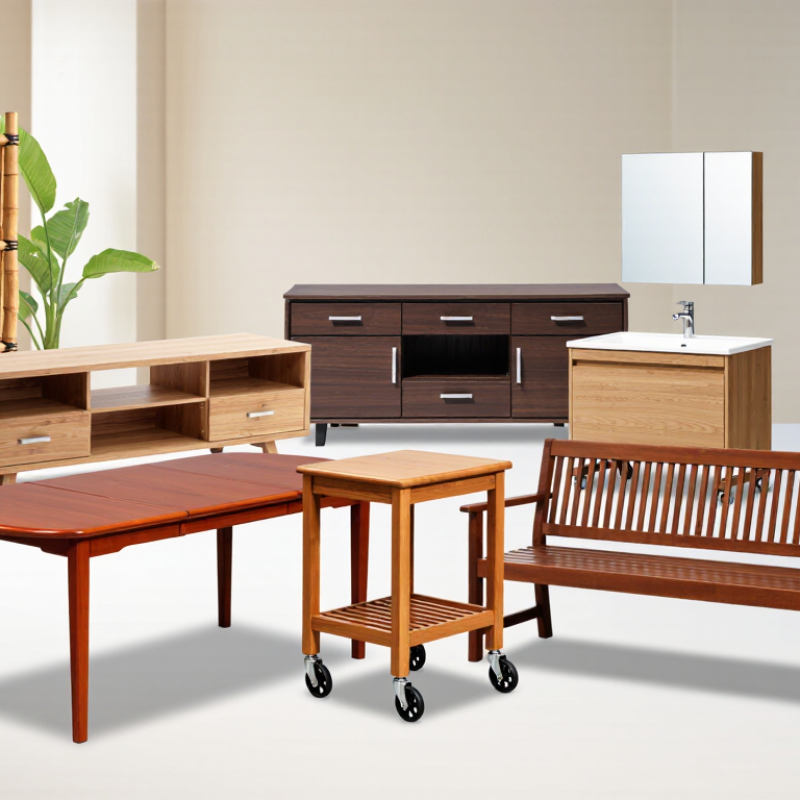
High humidity changes how wooden furniture performs. Moisture enters through edges, joints, and unfinished undersides. Suitable furniture should use kiln-dried wood with controlled moisture content. A moisture meter can verify this before shipment or installation. In many indoor environments, 8–12% moisture content is a practical target, but local climate still matters. Solid wood offers strength, yet it may expand across its grain. Engineered panels can provide better dimensional stability when their edges are properly sealed.
Construction details often matter more than wood species. Look for mortise-and-tenon joints, reinforced corners, and small expansion gaps. Furniture should receive a durable finish on every surface, including drawer interiors and bottom edges. One missed area can absorb moisture like a sponge. Stainless or corrosion-resistant hardware is useful near coastal homes. Avoid placing cabinets directly against damp walls. Leave a small ventilation gap.
Maintenance remains essential. Keep indoor humidity near 40–60% when possible, and wipe spills immediately. Check for swollen doors, loose joints, musty odors, or dark spots every few months. These signs need attention, not decoration. A high-quality supplier should provide moisture readings, material specifications, finish details, and care instructions. However, no wooden furniture is completely humidity-proof. Even well-built pieces can move during seasonal changes. That limitation deserves honest planning.
China Top 10 Wooden Furniture for High Humidity Areas?
In China’s humid regions, wood selection affects furniture stability, odor, and service life. Teak remains a strong choice because its natural oils resist moisture and insects. Nanmu, a traditional Chinese timber, offers good dimensional stability and a refined grain. Camphor wood is valued for its aroma and moderate resistance to moisture. Chinese fir is lighter and economical, but it needs careful sealing. It can warp when poorly dried.
Oak provides strength for dining tables, cabinets, and bed frames. White oak generally handles moisture better than red oak, although both require protective finishes. Ash has an attractive grain and works well indoors, but exposed edges need extra attention. Walnut is stable and elegant, yet its cost may limit large furniture pieces. Beech offers a smooth surface and reliable strength, but it should stay away from persistent dampness. Rubberwood is widely used after kiln-drying and treatment, though untreated material may absorb moisture quickly.
Material preparation matters as much as species. Experienced workshops check moisture content before assembly and allow boards to acclimate indoors. For coastal apartments, raised legs, ventilated backs, and breathable finishes reduce trapped humidity. I have seen solid wood survive humid summers when joints were loose enough to move naturally. I have also seen expensive furniture crack after rapid air-conditioning. No wood is perfect. Local climate, drying quality, coating, and maintenance must be judged together.
China’s Top 10 Wooden Furniture Choices for Humid Areas include teak, white oak, black walnut, acacia, rubberwood, elm, ash, cedar, bamboo, and moisture-resistant plywood furniture. Teak performs well because its natural oils slow moisture absorption. White oak and acacia offer useful strength for dining tables and storage cabinets. Cedar suits wardrobes because its aroma can discourage some insects. Bamboo is not technically timber, but laminated bamboo furniture can remain stable when properly sealed.
The U.S. Forest Products Laboratory’s Wood Handbook explains that wood expands and contracts with changing moisture content. The risk increases when indoor humidity remains high. ASHRAE guidance commonly recommends indoor relative humidity near 30% to 60%. In China’s coastal cities, I would favor raised-leg designs, ventilated backs, and sealed end grains. These details matter more than appearance alone. Rubberwood can work well, but poor kiln-drying may cause swelling or joints opening. That weakness deserves honest attention.
Tips: Keep furniture away from wet walls and direct air-conditioner drainage. Use a hygrometer, and target stable humidity rather than chasing perfect numbers. Wipe spills quickly with a dry cloth. Check joints every few months. A thin protective finish helps, but it cannot repair badly seasoned wood. From practical inspections, cabinet backs often fail before tabletops. I would also leave small ventilation gaps inside wardrobes. Mistakes happen, especially during the rainy season.
China Top 10 Wooden Furniture for High Humidity Areas
In humid regions, the best wooden furniture includes dining tables, bedroom frames, wardrobes, cabinets, shelves, desks, benches, stools, sideboards, and bathroom vanities. However, wood is never completely waterproof. Reliable construction begins with kiln-dried timber, tight joints, and panels that resist swelling. Mortise-and-tenon joints usually perform better than weakly stapled connections. Raised legs also keep furniture away from damp floors and accidental water.
Moisture-resistant finishes matter just as much. Water-based polyurethane, quality lacquer, and penetrating hardwax oils can reduce moisture absorption when applied evenly. Pay attention to edges, screw holes, and undersides. These areas are often missed. A sealed surface may still fail if the wood was damp before finishing. I would not trust a beautiful topcoat alone. Ventilated back panels, sealed plywood edges, stainless-steel hardware, and adjustable feet add practical protection. Small construction details often decide long-term performance.
Tips: Keep indoor humidity near 40–60% when possible. Wipe spills quickly. Leave space between furniture and walls. Inspect joints every few months. If a cabinet door begins sticking, act early; waiting can turn minor swelling into permanent damage. Test finishes on hidden areas first, because color and sheen may change. Humidity control is not glamorous. It is essential.
| Rank | Furniture Type | Recommended Wood or Panel | Moisture-Resistant Finish | Key Construction Features | Best High-Humidity Location | Suitability | Maintenance Guidance |
|---|---|---|---|---|---|---|---|
| 1 | Teak Outdoor Dining Table | Solid teak with naturally high oil content and good dimensional stability | Penetrating teak oil or exterior-grade water-repellent finish; refresh according to exposure | Slatted top for drainage, rounded edges, stainless-steel fasteners, and clearance beneath the top | Covered patios, balconies, garden dining areas, and humid coastal zones | Excellent | Wipe standing water promptly; allow air circulation; do not place directly on persistently wet flooring |
| 2 | Teak Bathroom Vanity | Solid teak or teak-faced moisture-resistant plywood | Two or more coats of clear marine-grade varnish or waterborne polyurethane on all exposed surfaces | Sealed end grain, elevated legs or wall mounting, ventilated back, and sealed openings around plumbing | Bathrooms, powder rooms, and wet-room environments with ventilation | Excellent | Dry splash zones after use; inspect joints, cutouts, and finish wear annually |
| 3 | Iroko Garden Bench | Solid iroko, a durable tropical hardwood suitable for exterior furniture | Exterior penetrating oil or UV-resistant water-repellent coating | Mortise-and-tenon or corrosion-resistant bolted joints, spaced seat slats, and raised feet | Humid gardens, covered entrances, courtyards, and shaded outdoor seating | Excellent | Keep soil and leaves away from the legs; recoat when the surface begins to look dry |
| 4 | Exterior-Grade Plywood Storage Cabinet | Exterior-grade plywood with waterproof adhesive and a durable hardwood or HPL surface | Two-part polyurethane, marine varnish, or factory-applied exterior coating on every edge | Fully sealed edges, lipped doors, adjustable feet, ventilation gaps, and stainless or galvanized hardware | Laundries, covered balconies, utility rooms, and sheltered outdoor storage | Very Good | Ensure all drilled holes are resealed; maintain airflow behind the cabinet |
| 5 | Acacia Wood Patio Lounge Chair | Kiln-dried solid acacia with stable glued or mechanically fastened joints | Exterior wood stain with water repellency and UV protection | Open slat construction, stainless-steel screws, replaceable cushions, and raised contact points | Covered patios, verandas, balconies, and humid outdoor lounges | Very Good | Store cushions dry; use a breathable cover rather than airtight plastic during storage |
| 6 | Marine-Plywood Kitchen Island | Marine plywood core with hardwood veneer or compact decorative laminate | Waterborne polyurethane, catalyzed lacquer, or sealed laminate edges | Sealed countertop joints, moisture-resistant edging, adjustable feet, and protected sink or appliance cutouts | Humid kitchens, coastal homes, and semi-open kitchens | Very Good | Use trivets and drying mats; repair chips or open seams before moisture reaches the core |
| 7 | Rubberwood Dining Chair | Properly kiln-dried and preservative-treated rubberwood for interior use | Closed-pore polyurethane or catalyzed lacquer applied to all faces and joints | Finger-jointed or mortise-and-tenon frame, sealed end grain, and non-absorbent foot pads | Air-conditioned dining rooms, cafés, and moderately humid interiors | Good with Control | Avoid direct contact with wet floors; maintain indoor ventilation and stable humidity |
| 8 | Moisture-Resistant MDF Bathroom Shelf | Moisture-resistant MDF with sealed veneer, laminate, or painted surface | Factory-applied laminate or multi-coat polyurethane; all edges must be sealed | Wall-mounted design, concealed brackets, drip-resistant shelf edges, and no exposed raw board | Guest bathrooms and low-splash areas with an exhaust fan | Good with Control | Not suitable for standing water; wipe spills immediately and inspect corners for swelling |
| 9 | Bamboo-Laminated Console Table | Strand-woven or laminated bamboo with stable, fully bonded panels | Waterborne polyurethane or UV-resistant clear coat on all sides | Cross-braced frame, sealed panel edges, adjustable levelers, and a gap from damp walls | Entryways, covered verandas, and humid living spaces | Good with Control | Keep away from continuous rain and condensation; maintain a dry, ventilated underside |
| 10 | Engineered-Wood Bedroom Chest | Quality plywood or moisture-resistant engineered wood with hardwood veneer | Sealed veneer finish, waterborne polyurethane, and edge banding on all exposed edges | Back-panel ventilation gap, elevated base, sealed drawer bottoms, and corrosion-resistant runners | Humid bedrooms and apartments with controlled indoor ventilation | Good with Control | Keep indoor relative humidity reasonably stable; avoid placing against damp exterior walls |
For China’s top ten wooden furniture choices, humidity resistance should guide selection. Start with dense, stable woods and engineered panels rated for moisture exposure. The USDA Forest Products Laboratory’s Wood Handbook reports that indoor wood commonly stabilizes near 6–8% moisture content. In humid rooms, poorly sealed wood can swell, warp, or loosen at joints. I prefer furniture with sealed end grain, raised legs, and limited exposed edges. Solid wood looks durable, but it is not automatically safer.
The U.S. Environmental Protection Agency recommends keeping indoor relative humidity between 30% and 50% to reduce moisture problems. Use a hygrometer near the furniture, not beside a window or bathroom door. A dehumidifier helps, though it cannot correct leaking walls. Leave several centimeters between cabinets and walls for airflow. Wipe condensation quickly with a dry cloth. Avoid placing wooden furniture directly on damp floors. Small errors matter.
Tips: Clean with a barely damp cloth, then dry the surface. Do not use excessive water or harsh solvent cleaners. Check joints, drawer bottoms, and rear panels every month. Reapply a suitable protective finish when the surface becomes dull or rough. The USDA Wood Handbook notes that wood responds continuously to changing moisture, so seasonal movement is normal. I once treated minor swelling as harmless; it later affected a drawer’s alignment. Maintenance should begin before damage becomes visible.
Lower volumetric shrinkage generally indicates better dimensional stability when wood moisture changes. These rounded reference values compare common furniture wood species; actual performance also depends on kiln drying, construction, sealing, ventilation, and indoor humidity control.
For humid interiors, choose properly kiln-dried wood, seal all surfaces and end grain, avoid placing furniture directly against damp walls, and maintain indoor relative humidity near 40–60% whenever possible. Data are rounded typical values for green-to-oven-dry volumetric shrinkage and may vary by grade, origin, and sample.
Reference: USDA Forest Products Laboratory, Wood Handbook: Wood as an Engineering Material.
Kiln-dried wood is preferable. A practical indoor target is 8–12% moisture content, depending on the local climate.
Choose mortise-and-tenon joints, reinforced corners, sealed edges, and small expansion gaps. Raised legs help keep furniture away from damp floors.
Not always. Solid wood is strong but may expand across the grain. Well-sealed engineered panels can offer better dimensional stability.
Suitable options include dining tables, bed frames, wardrobes, cabinets, shelves, desks, benches, stools, sideboards, and bathroom vanities. Their construction matters more than appearance alone.
Evenly applied polyurethane, lacquer, or hardwax oil can add protection. Seal drawer interiors, screw holes, end grain, undersides, and bottom edges. One missed area can absorb moisture like a sponge.
Leave several centimeters between furniture and walls. Use adjustable feet where floors may become damp. Avoid placing cabinets beside leaks, condensation, or poorly ventilated bathroom doors.
Aim for roughly 40–60% relative humidity when possible. A hygrometer should sit near the furniture, away from windows and doors. A dehumidifier helps, but it cannot repair leaking walls.
Wipe spills immediately with a dry or barely damp cloth. Avoid excessive water and harsh solvents. Check joints, drawer bottoms, and rear panels every month.
Watch for sticking doors, swollen edges, loose joints, musty odors, and dark spots. Act early. I once dismissed minor swelling, and drawer alignment later became worse.
No wooden furniture is completely waterproof. Seasonal movement is normal, even with careful construction. Good materials reduce risk, but honest planning still matters.
Can wooden furniture be used in high-humidity areas? Yes, but it must be designed, finished, and maintained to withstand moisture. This article explores the key requirements for wooden furniture in humid environments, including low moisture absorption, stable construction, proper ventilation, and resistance to warping, swelling, mold, and decay. It also introduces common wood species used in China for humid-climate furniture, focusing on their durability, dimensional stability, and suitability for different indoor settings.
The guide presents ten practical wooden furniture choices for high-humidity areas, such as bedroom, dining, storage, and outdoor-inspired pieces. It explains how moisture-resistant finishes, sealed edges, raised bases, tight joints, and durable hardware can improve performance. Finally, readers will learn how to select suitable furniture, control indoor humidity, keep surfaces dry, improve air circulation, and perform regular cleaning and inspections to extend the furniture’s service life.

TayLord Furniture